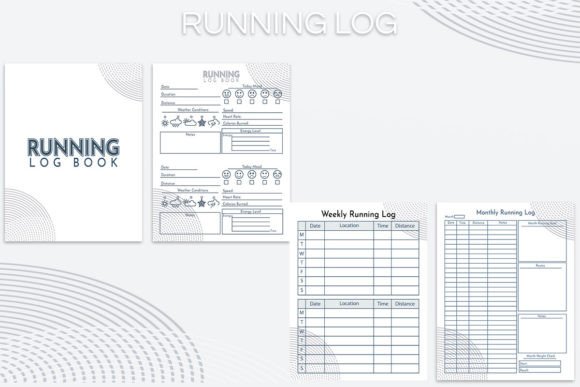
Running Log: A Comprehensive Guide to Understanding and Evaluating Its Value
For runners, tracking progress is essential. A running log serves as a detailed record of workouts, helping individuals monitor their performance, set goals, and make informed decisions about their training. When considering a running log, potential users may encounter various formats, including AI files, PDFs, SVGs, and high-resolution JPEGs. This article explores what a running log is, why someone might be interested in it, and how to evaluate whether it aligns with their specific needs.
What Is a Running Log?
A running log is a structured record of a runner's activities, typically including details such as distance, time, pace, terrain, and weather conditions. It can be maintained manually in a notebook or digitally through apps and software. The digital versions often come in multiple file formats, allowing users to access and share the data easily.
When downloading a running log, users may receive files in different formats, such as AI (Adobe Illustrator), PDF (Portable Document Format), SVG (Scalable Vector Graphics), and high-resolution JPEGs at 300 DPI. These formats cater to different use cases, from professional design work to personal tracking and printing.
Reasons for Interest in a Running Log
Runners and fitness enthusiasts may seek a running log for several reasons. One common motivation is to track progress over time, identifying improvements in speed, endurance, or consistency. Others may use it to prepare for races, ensuring they meet specific training milestones.
Additionally, a running log can serve as a tool for analyzing patterns and making adjustments to training routines. For example, if a runner notices that their performance declines on certain days, they might adjust their schedule or focus on recovery techniques. Digital logs, especially those with multiple file formats, offer flexibility in how this information is stored, shared, and visualized.
Benefits of Using a Running Log
The primary benefit of a running log is its ability to provide a clear, organized view of a runner’s progress. This can be particularly useful for those aiming to improve their performance or achieve specific goals, such as completing a marathon or increasing their weekly mileage.
Digital running logs offer additional advantages, such as ease of access, backup options, and the ability to integrate with other fitness tools. The availability of multiple file formats—like AI, PDF, and SVG—allows users to customize how they interact with the data. High-resolution JPEGs, for instance, are ideal for printing or sharing on social media, while SVG files enable scalable graphics for design purposes.
Tradeoffs and Considerations
While a running log can be highly beneficial, it is not without tradeoffs. Maintaining a log requires time and effort, which may deter some users. Additionally, not all runners find value in detailed tracking, especially if they prefer a more intuitive or flexible approach to their training.
The choice of file formats also plays a role in the overall utility of a running log. For example, AI and SVG files may require specialized software to edit or view, whereas PDFs and JPEGs are more universally accessible. Users should consider their technical skills and the tools they have available when selecting a format.
Situations Where a Running Log Is a Strong Fit
A running log is particularly valuable for serious athletes or those following structured training programs. For instance, marathon runners often rely on detailed logs to ensure they are adequately prepared for race day. Similarly, coaches and trainers may use logs to monitor the progress of their clients and make data-driven recommendations.
Users who value organization and want to visualize their progress may also find a running log beneficial. With high-resolution images and scalable graphics, the log can serve as a motivational tool, offering a visual representation of achievements and improvements over time.
Situations Where Alternatives May Be Worth Considering
Not all runners need a complex running log. Casual runners or those new to the sport may find simpler tools, such as smartphone apps or basic spreadsheets, more practical. These alternatives often require less setup and maintenance while still providing essential tracking features.
Moreover, users who prioritize convenience over customization may prefer cloud-based solutions that automatically sync their data across devices. In such cases, the need for multiple file formats like AI or SVG may be less critical, as the primary focus is on accessibility rather than design flexibility.
Practical Decision-Making Insights
When deciding whether a running log is right for them, users should consider their goals, preferences, and technical capabilities. Those looking for a detailed, customizable tracking system may benefit from a log that includes AI, PDF, SVG, and high-resolution JPEG files. However, others may find that a simpler, more streamlined approach better suits their needs.
It is also important to assess how the log will be used. If the data will be shared with others or integrated into a larger project, the availability of multiple file formats can be a significant advantage. On the other hand, if the log is for personal use only, the format may be less of a concern.
Ultimately, the decision to use a running log depends on individual circumstances. By evaluating their specific needs and understanding the options available, users can make an informed choice about whether a running log is the right fit for their running journey.