Nonogram Puzzles for Mental Engagement and Creative Exploration
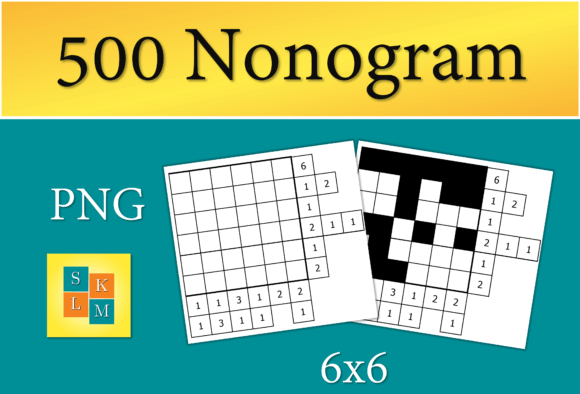
Nonogram puzzles, also known as Picross or Griddlers, offer a unique blend of logic and creativity. These grid-based challenges require users to determine which cells to fill in based on numerical clues provided along the top and left sides of the grid. The result is a hidden image that emerges as the puzzle is solved. For those seeking a mentally stimulating activity, 500 Nonogram puzzles at an easy level with a 6x6 grid provide an accessible entry point into this engaging world.
The simplicity of the 6x6 grid makes these puzzles ideal for beginners and younger audiences. Each puzzle is designed to be solvable without requiring advanced logical reasoning, allowing users to build confidence while gradually developing problem-solving skills. This accessibility ensures that even those new to Nonogram puzzles can enjoy the satisfaction of completing a challenge and uncovering the final image.
Practical Applications of Nonogram Puzzles
While Nonogram puzzles are often associated with leisure and entertainment, their applications extend beyond casual play. Educators use them as tools to teach pattern recognition, spatial reasoning, and critical thinking. In classrooms, these puzzles can be integrated into math or art lessons, offering students a fun way to practice analytical skills. For example, a teacher might introduce a Nonogram puzzle as a warm-up exercise, encouraging students to work collaboratively to solve it.
Seniors and individuals looking to maintain cognitive sharpness also benefit from regular engagement with Nonogram puzzles. Studies suggest that mental exercises like these can help preserve memory and delay the onset of age-related cognitive decline. By incorporating a daily Nonogram puzzle into their routine, older adults can keep their minds active and engaged in a low-pressure environment.
Benefits of Using Nonogram Puzzles
One of the primary advantages of Nonogram puzzles is their ability to promote focus and concentration. Solving a puzzle requires sustained attention and careful analysis of each clue, making it an excellent activity for improving mental discipline. Unlike other forms of entertainment that may be passive, Nonogram puzzles demand active participation, ensuring that users remain fully engaged throughout the process.
Additionally, these puzzles serve as a form of stress relief. The structured nature of a Nonogram puzzle allows users to immerse themselves in a task that is both challenging and rewarding. The repetitive process of analyzing clues and filling in cells can have a meditative effect, helping to reduce anxiety and improve mood. Many users report feeling a sense of accomplishment after completing a puzzle, which can boost self-esteem and motivation.
Creating a Puzzle Book with Nonogram Puzzles
For creators and business owners, the availability of 500 Nonogram puzzles offers a valuable resource for developing custom content. Whether intended for personal use or commercial distribution, these puzzles can be compiled into a KDP (Kindle Direct Publishing) puzzle book, providing a convenient format for readers. The high-resolution PNG files ensure that the puzzles are clear and easy to print or view on digital devices.
Combining multiple sets of Nonogram puzzles allows for greater variety and flexibility. A puzzle book could include different themes, such as animals, nature scenes, or abstract designs, catering to a wide range of interests. This adaptability makes the collection suitable for various audiences, from children learning to recognize shapes to adults seeking a relaxing pastime.
How to Play Nonogram Puzzles
Understanding how to play Nonogram puzzles is essential for anyone looking to get started. The basic rules involve interpreting the numbers at the top and left of the grid. These numbers indicate how many consecutive cells should be filled in each row or column. For instance, a row with the clue "3 2" means there are three filled cells followed by two filled cells, separated by at least one empty cell.
Users can begin by examining the rows and columns with the most straightforward clues. Starting with these areas helps establish a foundation for solving the rest of the puzzle. As more cells are filled, additional patterns and relationships become apparent, guiding the user toward the final image. The process is both methodical and intuitive, offering a satisfying balance between logic and creativity.
Considerations When Using Nonogram Puzzles
When working with a large set of Nonogram puzzles, it's important to consider the quality and consistency of the content. The 6x6 grid size ensures that each puzzle is manageable, but the difficulty level must remain appropriate for the intended audience. For example, a puzzle book aimed at children should avoid overly complex clues that may lead to frustration.
Another consideration is the format in which the puzzles are presented. High-resolution PNG files are ideal for printing or digital use, but users should also ensure that the files are properly organized and labeled. A zipped folder containing all the puzzles and their corresponding solutions streamlines the process of compiling them into a book or distributing them online.
Expanding the Use of Nonogram Puzzles
Beyond individual use, Nonogram puzzles can be incorporated into group activities or community projects. Libraries, community centers, and educational institutions can use these puzzles as part of outreach programs, encouraging people of all ages to engage in mental exercises. For example, a library might host a weekly puzzle session where participants work together to solve a Nonogram, fostering social interaction and shared achievement.
Businesses can also leverage Nonogram puzzles as a marketing tool. Custom puzzles featuring brand logos or product images can be distributed as promotional materials, offering a unique and interactive way to connect with customers. This approach not only promotes the brand but also provides value through an enjoyable and intellectually stimulating experience.
Final Thoughts on Nonogram Puzzles
Nonogram puzzles offer a versatile and engaging way to stimulate the mind and enhance cognitive abilities. With 500 easy-level puzzles in a 6x6 grid, this collection provides ample opportunities for learning, relaxation, and creative exploration. Whether used for personal enjoyment, educational purposes, or business applications, these puzzles demonstrate the power of simple yet effective mental exercises.