Handwriting Workbook for Kids: A Strategic Tool for Early Learning and Development
In today’s digital age, the importance of handwriting may seem diminished, but for young learners, it remains a critical skill that supports cognitive development, fine motor control, and academic success. The Handwriting Workbook for Kids is a valuable resource designed to help children build strong foundational writing skills in a structured, engaging, and effective way. This comprehensive workbook offers a practical approach to learning letter formation, spacing, and legibility—skills that are essential for long-term educational and personal growth.
For parents, educators, and professionals involved in child development, the Handwriting Workbook for Kids represents more than just a tool for practice—it’s a strategic asset that can be integrated into broader learning goals. Whether used in a classroom setting, at home, or as part of a tutoring program, this workbook provides a clear pathway for children to develop confidence in their writing abilities while fostering a sense of accomplishment and motivation.
Why Handwriting Skills Matter for Young Learners
Handwriting is often overlooked as a basic skill, but its impact on learning is profound. Research shows that the act of writing by hand engages different parts of the brain compared to typing, promoting better memory retention and comprehension. For children, developing strong handwriting skills early on can enhance their ability to take notes, complete assignments, and express ideas clearly.
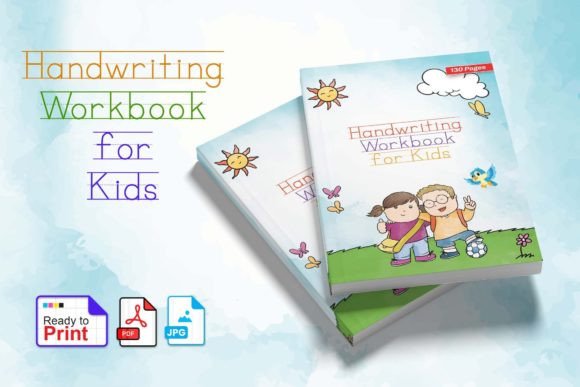
The Handwriting Workbook for Kids addresses these needs by offering a step-by-step approach to letter formation. With 130 pages of content, including tracing exercises for both uppercase and lowercase letters, the workbook ensures that children build a solid foundation before moving on to more complex tasks like sentence writing and paragraph construction.
Moreover, the workbook’s design encourages consistent practice without overwhelming the child. Its spacious layout allows for ample room to write, reducing frustration and making the learning process more enjoyable. This thoughtful structure aligns with best practices in education, where gradual progression and repetition are key to mastery.
Strategic Use of the Handwriting Workbook for Kids
The Handwriting Workbook for Kids is most effective when used intentionally as part of a larger learning strategy. It is not a one-size-fits-all solution, but rather a flexible tool that can be adapted to meet individual needs. For example, a parent might use it to supplement schoolwork, while an educator could integrate it into a literacy curriculum.
One of the key advantages of the workbook is its structured progression. It guides children through a logical sequence of letters, ensuring that they build confidence as they advance. This approach supports long-term results by creating a habit of regular practice and reinforcing correct techniques from the start.
When incorporating the Handwriting Workbook for Kids into a learning plan, it’s important to consider the child’s current skill level and learning style. Some children may benefit from daily short sessions, while others may need more time to focus on specific letters or patterns. By tailoring the use of the workbook to the learner’s needs, parents and educators can maximize its effectiveness.
Enhancing Communication and Creativity Through Handwriting
Strong handwriting skills go beyond academic performance—they also play a role in communication and creativity. When children can write clearly and confidently, they are more likely to express their thoughts and ideas effectively. This can have a positive impact on their overall communication skills, both in writing and speaking.
The Handwriting Workbook for Kids supports this by encouraging children to engage with written language in a meaningful way. As they practice forming letters and words, they begin to see the connection between symbols and meaning, which is a crucial step in literacy development. This process not only improves their writing but also enhances their reading and comprehension abilities.
Additionally, the workbook’s vibrant cover design and engaging layout can spark a child’s interest in writing. A visually appealing workbook can make the learning process more enjoyable, increasing the likelihood that children will stay motivated and continue practicing over time.
Planning and Positioning for Long-Term Results
To get the most out of the Handwriting Workbook for Kids, it’s important to think about how it fits into a broader educational or developmental plan. This includes setting clear goals, tracking progress, and adjusting strategies as needed. For instance, a parent might set a goal of improving letter formation within a specific timeframe, using the workbook as a primary resource.
Positioning the workbook as part of a comprehensive learning toolkit can also enhance its value. It can be paired with other resources such as phonics programs, reading books, or creative writing activities to create a well-rounded approach to literacy. This multi-faceted strategy helps reinforce learning and supports long-term outcomes.
Another consideration is the timing of use. Introducing the workbook too early or too late can affect its effectiveness. It’s generally best to begin with children who are just starting to learn letters and numbers, as this is when they are most receptive to structured practice. However, older children who need to improve their handwriting can also benefit from using the workbook as a supplementary tool.
Potential Risks and Considerations
While the Handwriting Workbook for Kids is a valuable resource, it is not without its challenges. One potential risk is using it without a clear purpose or context. If children are forced to complete exercises without understanding their relevance, they may become disengaged or resistant to learning. This highlights the importance of intentional use and meaningful engagement.
Another consideration is the balance between structured practice and creative expression. While the workbook provides a framework for learning, it should not replace opportunities for free writing or storytelling. Encouraging children to write their own stories or messages can help them apply what they’ve learned in a more natural and expressive way.
Finally, it’s important to recognize that handwriting is just one aspect of literacy. While the Handwriting Workbook for Kids supports letter formation and legibility, it should be used in conjunction with other literacy activities to ensure a well-rounded education.
Conclusion: A Thoughtful Investment in Your Child’s Future
The Handwriting Workbook for Kids is more than just a collection of exercises—it’s a strategic tool that can support long-term learning and development. By focusing on the fundamentals of handwriting, it helps children build confidence, improve communication, and develop a stronger connection to written language.
For parents and educators looking to enhance their teaching strategies, the workbook offers a practical and effective way to support early literacy. When used thoughtfully and intentionally, it can become a valuable part of a child’s educational journey, laying the groundwork for future success in school and beyond.